
Fill The City guide
What a Pop-Up Costs in Los Angeles, and How to Choose the Space
The short answer
A pop-up space in Los Angeles costs from about $1,500 a day in an indoor mall to $65,000 a day at a flagship outdoor destination. The venue type sets the price far more than the size alone. Typical three-day cost by venue type:
- Indoor mall common area $4,500–$7,500
- Open-air courtyard $10,000–$12,000
- Premium outdoor lawn $25,000 or more
- Flagship destination $90,000 or more
These are rates quoted to us in fall 2026 while sourcing holiday space for brand clients. They are examples, not market averages.

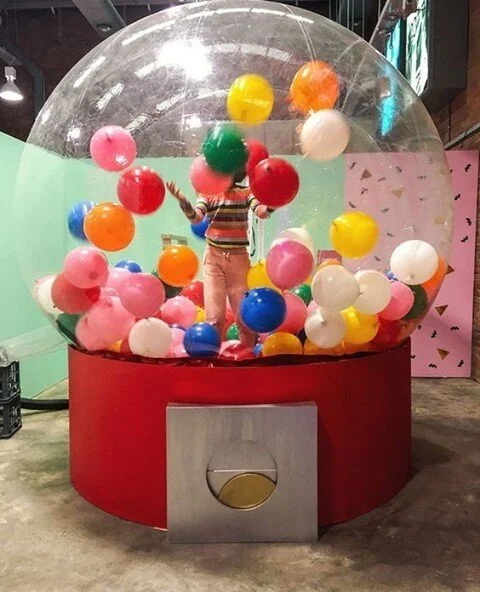
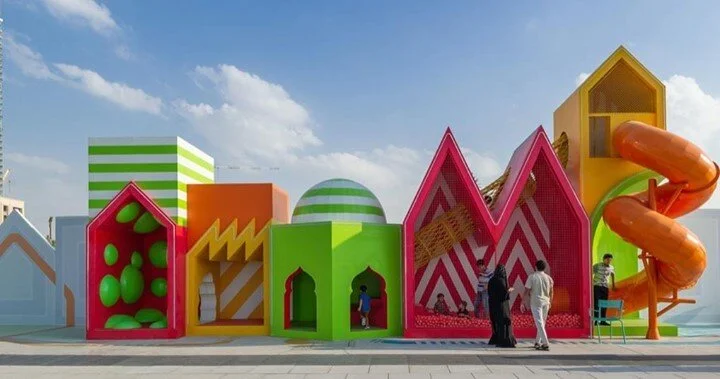
Past Fill The City activations.
What spaces were quoted, by venue type
Each row is a single quote from one property for a holiday-season activation. The courtyard and lawn three-day figures are weekend packages the property offered, not standard day rates multiplied by three. Property names are left out on purpose.
| Venue type | Quoted rate | Quoted 3-day cost | What was included or extra |
|---|---|---|---|
| Indoor regional mall, common area | $1,500–$2,500 per day | $4,500–$7,500 | Security about $50 per hour if you want your own. Power may add cost. After-hours load-in allowed. |
| Open-air courtyard, lifestyle center | About $5,000 per day on a weekend | $10,000 for a 3-day weekend; $12,000 in a later quote | $1,500 deposit. Overnight storage $250 per night. Later quote added 15% of sales above a set threshold, which applies only if you sell on site. |
| Premium outdoor lawn, upscale center | Usually about $20,000 per day | $25,000 total for a negotiated 3-day weekend | Power included. Overnight load-in, load-out by 11 AM. Security about $75 per hour per officer. |
| Flagship destination center | $30,000–$65,000 per day, by spot | $90,000 or more | One property cut $45,000 per day to $30,000 for a longer term, with power, parking validation, signage and marketing support included. |
Foot traffic also differs. One indoor mall reported about 231,000 visits over last year's Black Friday weekend, with visitors staying about 67 minutes on average. That is a mall-wide count, so it shows the scale of the audience, not how many people will reach your space.
Which venue type fits which brand
The right space depends on what the activation has to do, not only the budget.
- Indoor mall common area. The lowest cost per day, and being indoors means weather is rarely a concern. Best for brands that want steady foot traffic and a longer run, such as product demos, holiday showrooms and sampling. The floor area you get is limited to what the center allows.
- Open-air courtyard. Costs more per day, and a short weekend run can be reasonably priced. Works for styled, photogenic set-ups where the setting is part of the appeal. Needs a plan for rain and for overnight security.
- Premium outdoor lawn. Suits brands that want an upscale audience and a landmark setting. Expect the property to review your design and set-up closely. A clear tent was allowed at some properties we contacted and not at others, so ask early.
- Flagship destination. The highest rates in our quotes. It tends to fit brands for whom the location itself is a central part of the campaign.
For most first pop-ups, an indoor mall or open-air courtyard leaves more of a fixed budget for the build, staffing and content.
Costs buyers overlook
The daily rate is rarely the full price. These items came up in the quotes we received:
- Security. Malls and centers patrol, but they may not guard your items. Dedicated security cost about $50 to $75 per hour per officer in the quotes we saw. Open-air properties often will not take responsibility for items left outside overnight.
- Storage. Some properties offer overnight storage for a fee, such as $250 per night. Others offer none.
- Deposits. One courtyard required a $1,500 security deposit.
- Power. Included at some properties and a separate charge at others.
- Percentage of sales. Some leases add a share of sales, for example 15 percent above a sales threshold. It only applies if you sell on site. A showroom with no on-site checkout may avoid it.
- Insurance. Properties expect it, and the requirements vary. Ask for them before you quote your client.
- Weather cover. Rain plans, such as furniture covers or a clear tent, are an extra cost and not always allowed.
Rules that surprise first-timers
- No drilling or anchoring. Some courtyards forbid anything that penetrates the floor. Crews use weights or sandbags instead.
- Height limits. One property preferred walls no taller than 6 feet.
- Tents. Allowed at some properties, banned at others. Ask before you design around one.
- Load-in and load-out windows. Overnight load-in and a morning load-out, such as by 11 AM, were the terms in some of our quotes.
- Approvals. Property teams often review furniture, scenic walls and signage before you build.
- Permits. On private property, a landlord may handle the approvals itself. On public streets and sidewalks, city permits apply. See our guide to permitting a temporary activation in Los Angeles.
- Timing. Holiday dates, other events and seasonal programming can block the space you want. Ask what else is booked.
Questions people ask
Planning a pop-up in Los Angeles?
Tell us your brand, dates and budget, and we will help identify suitable locations.
Contact usSee our brand activations